
Who hasnt ever experienced irritated eyes, stinging, redness, blurred vision, or the feeling of having foreign bodies inside the eye? All of these symptoms are included in what is known as Dry Eye Syndrome, and unfortunately they are very common symptoms that can not only affect our quality of life, but can end up in more serious and irreversible ophthalmic lesions
.
Our current lifestyle favors dry eyes
We live in the digital age, and from an early age we are aware of the stimuli of any electronic device on a daily basis: television, mobile phones, tablets or electronic books. And we use them longer hours than we should. In addition, the current pandemic situation in which we find ourselves has encouraged greater use of all these devices by spending more hours at home. If we add up all the hours we spend in front of a screen, the vast majority of people reading this article will exceed 10 hours. In fact, many of you will read this article from home and not from the office, since teleworking is being encouraged. At home we spend many hours working with the computer, and not all houses are decorated with a good screen or good lighting that allows greater eye comfort. In addition, if we add up the many hours of computer and television with which we do less outdoor activities, how are we not going to have daily eye discomfort
?
Nor can we forget those factors, which cannot be modified, that predispose to a higher incidence of dry eyes: mainly aging, since over the years the quality of tear production decreases, but also certain pathologies (such as diabetes), the female sex (due to hormonal changes) and even air pollution, which attacks the surface of the eye and irritates it.
How can we prevent or reduce dry eyes?
The obvious thing would be to reduce the number of hours in which we use electronic devices, but obviously this is not always feasible. The usual option for dry eye is the use of artificial tears and eye lubricants, which will relieve us momentarily, however, they are not enough since we are not addressing the origin of the syndrome but rather masking the symptoms. And this is where certain plant extracts and nutrients come into play, which will help us to have a higher quality tear and, therefore, reduce discomfort. To see how they work, we must first review the layers that our tears are made of
.
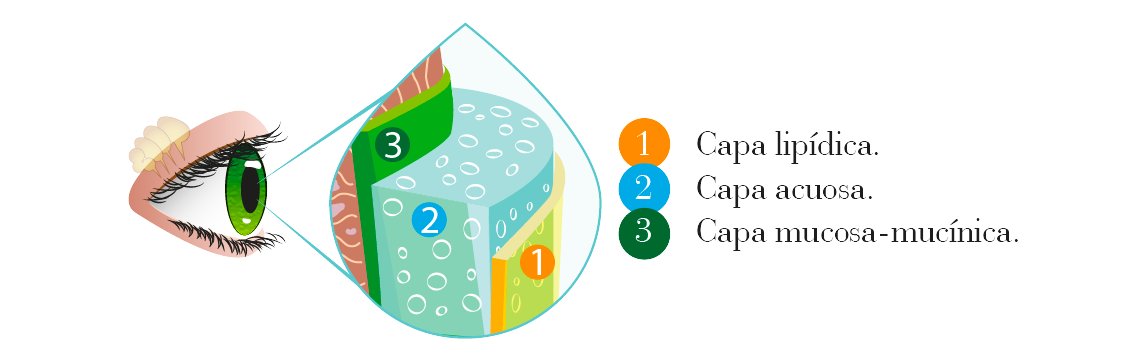
Tears are composed of a watery part formed by the tear glands, a mucin layer and a lipid part formed by fatty acids that are produced by the eyelid glands (meibomian glands), whose function is to prevent tear water from evaporating.
Dry Eye Syndrome is defined by an imbalance in these layers, both due to the blocking of the production of the aqueous part by the tear glands and the production of the mucous and lipid layer by the meibomian glands, which causes greater evaporation of the tear.
For some time now, to nourish the mucous and lipid layer of the tear, it has been recommended to increase the consumption of two fatty acids: omega-7 fatty acids and omega-3 fatty acids.
It is really difficult to obtain adequate amounts of these two nutrients with diet to obtain the benefits for eye health, so it is advisable to obtain them through quality dietary supplements.
To act on the lacrimal gland, other types of extracts such as maqui berry extract come into play. Maqui (Aristotelia chilensis) is a small tree that is abundant in Chilean and Argentine Patagonia, whose fruits are small berries of an intense, dark and bright purple color, which are high in anthocyanidins, substances of great importance for their beneficial effects on health. It has been demonstrated that anthocyanidins can help to trap reactive oxygen species (free radicals) that, when in excess in the body, cause various health disorders. In fact, it has long been known that the anthocyanidins contained in many fruits are beneficial to the eyes, which has been proven in different animal and human studies. Scientific research carried out with a maqui berry extract with high standardization in anthocyanins (MaquiBright ®), has shown that it can help control the number of reactive oxygen species in the tear gland tissue, thus preserving tear secretion
and improving associated symptoms.
- Omega-7 fatty acids (palmitoleic acid) help balance the composition of the tear film, improving the function of the Meibomian glands, in addition to having anti-inflammatory properties (properties that it shares with omega-3). As a source of palmitoleic acid, oil from the fruits of sea buckthorn (Hippophae rhamnoides) was common until recently, however, this oil contains about 25 to 43% of palmitoleic acid (depending on the variety and origin), but it can also contain a significant amount of palmitic acid (on average 32%). The high intake of palmitic acid in the diet, in excess of their needs, has been a cause for alarm and has been linked to cardiovascular diseases and obesity. On the contrary, we can currently find marine sources of omega-7, such as Provinal ® fish oil concentrate, which contains purified palmitoleic acid, with an average of 50%, and less than 1% of free palmitic acid.
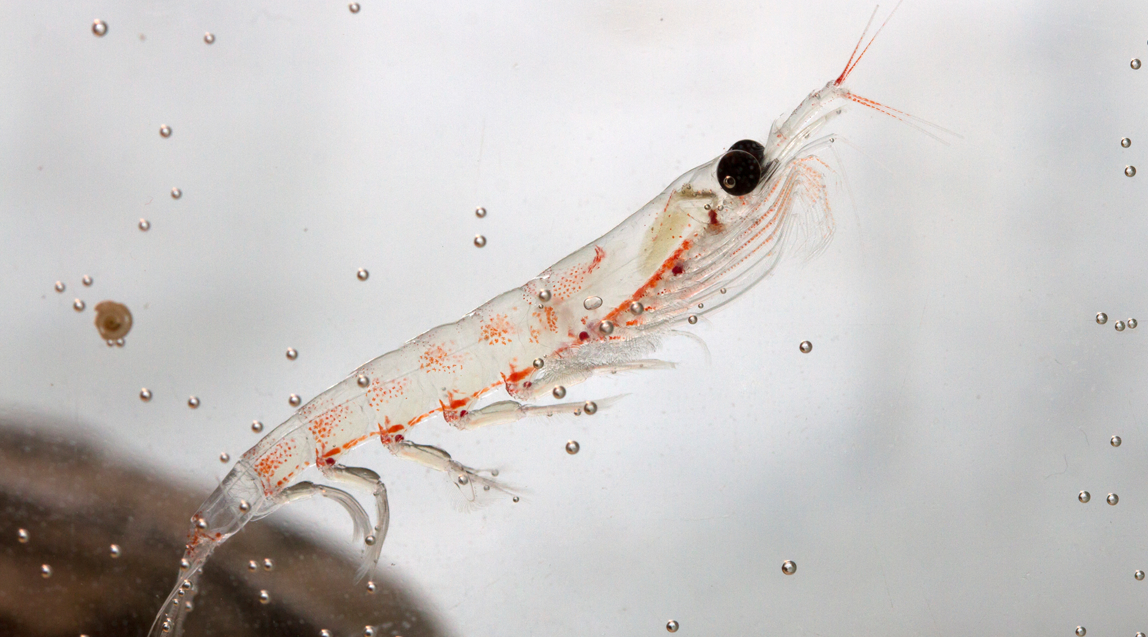
- Omega-3 fatty acids (DHA and EPA) are especially important to help maintain healthy eyes, with the highest concentration of DHA in the body found in the retina. But not just any omega-3 works, we must choose the one that can actually reach the eye tissue. To do this, it is necessary that omega-3 be associated with phospholipids, which will help omega-3 to integrate into the membranes of eye tissue cells. With Krill Oil supplements, we achieve this, since it contains omega-3 in the form of phospholipids, in addition to choline and astaxanthin, the latter being a carotenoid with interesting properties for eye health.
And as a conclusion…
We should not assume dry eyes as a health problem that we have to live with. It really is a problem with serious consequences, but one that we can easily manage both by correcting our daily lifestyle habits and by incorporating dietary supplements that guarantee the quality, absorption and effectiveness of the nutrients and plant extracts
they contain.
Paula Saiz

• Degree in Biological Sciences from the Complutense University of Madrid, specializing in plant biology.
• Master in Applied Plant Biology from the Complutense University of Madrid.
• Collaboration in the Endothelial Pathology Unit of the Ramón y Cajal Hospital in Madrid: clinical trials and anti-aging phytotherapy.
• He is currently part of the Department. 100% Natural Technical and Documentation and Training.
All rights reserved ©. The reproduction, partial or total, of the content in any form is prohibited without the prior written consent of Cien Por Cien Natural SL. If you want to share the information, reproduction is allowed by citing Cien Por Cien Natural SL or using the link on their website. Cien Por Cien Natural SL is not responsible for misuse of the content of the article
.